Balanced base
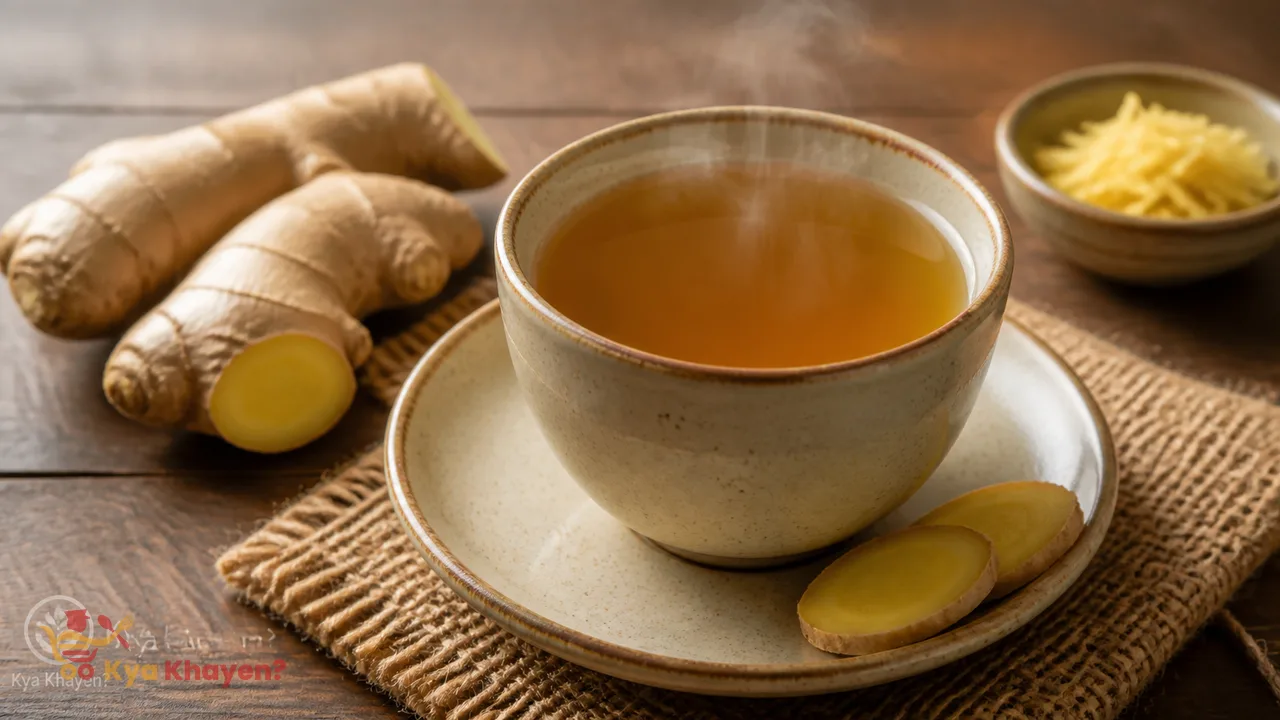
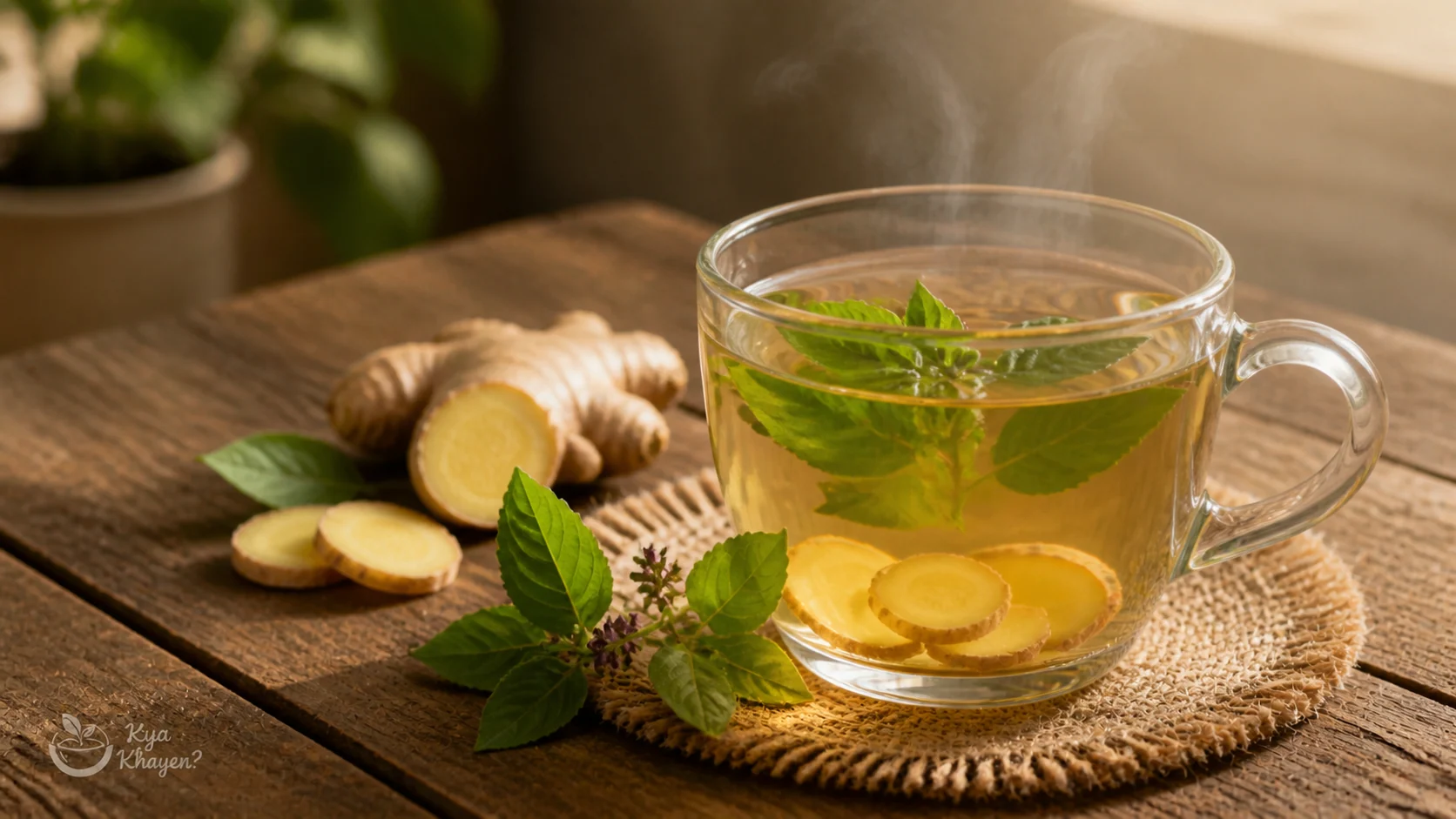
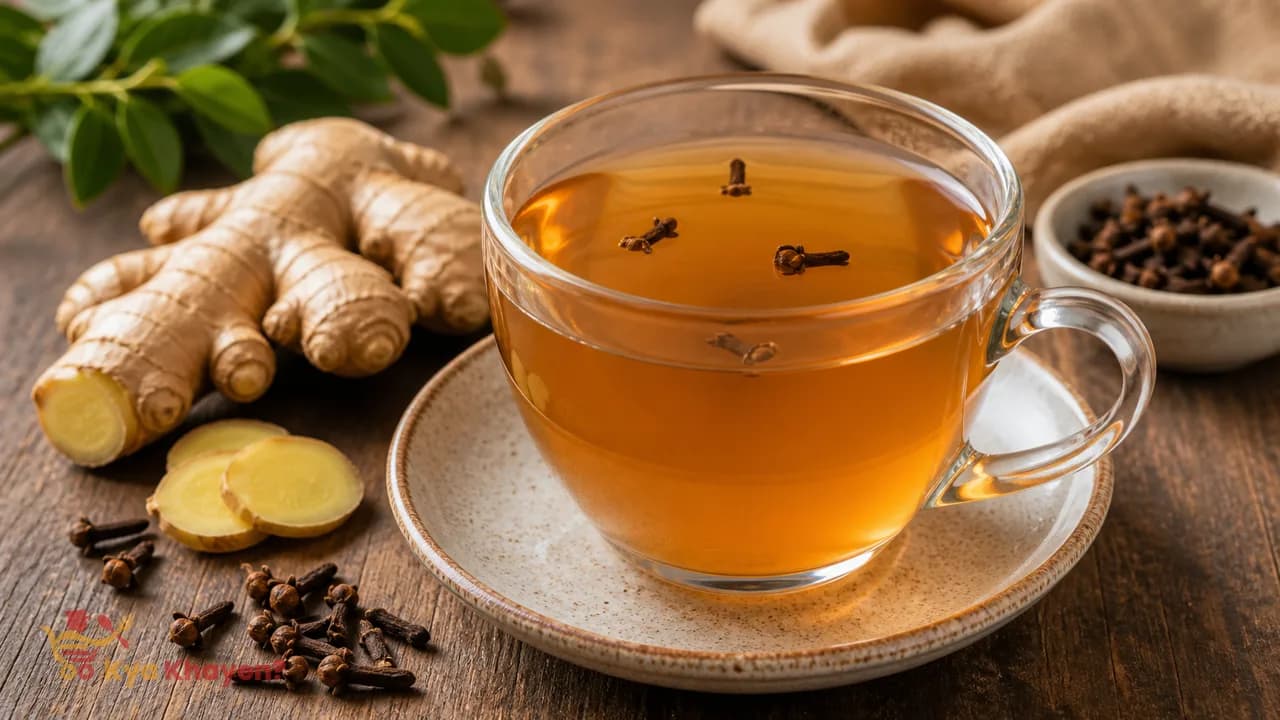
Clove Ginger Tea works because ginger and cloves give the recipe its main flavour, texture and body instead of relying only on seasoning.

Measured ingredients, clear steps and nutrition guidance in one beautiful cooking view.
Today's kitchen pick
Clove Ginger Tea recipe with ginger and cloves (laung). Find practical fresh preparation ideas for evening.
By Satendra Gangwar
Recipe Developer·Kya Khayen Kitchen
Total
10 mins
Prep
5 mins
Cook
5 mins
Skill
Quick
From the kitchen
Clove Ginger Tea is a warm drink with inviting aroma and a smooth freshly prepared finish. The combination of ginger and cloves (laung) creates a warm homemade drink with a pleasant aroma and an easy fresh finish.
The recorded preparation and cooking flow takes about 5 minutes, making it a practical option for evening and mid-morning. Always use the ingredient list itself when checking whether this dish matches your food preferences.
A hot drink becomes more enjoyable when its strength, sweetness and aroma are kept in balance. Gentle heating and prompt serving let the freshly brewed character stay clear.
The technique here centres on boiling. Measure the ingredients before heating, then brew or simmer gently so the aroma develops without overcooking the milk or flavouring ingredients. Stir and strain only as the method requires.
One useful cue from the method is to first boil 300 ml of water with cloves and ginger over low heat for 2-3 minutes. Continue through the remaining steps in order so the ingredients come together with a more consistent finish.
Measure the ingredients before heating so brewing is unhurried. Prepare the drink near serving time and pour it into clean cups while warm, when its aroma and flavour are most enjoyable.
Serve hot in a warm cup with a light breakfast dish or snack that complements the drink. Pour into cups and serve while warm so its aroma remains inviting.
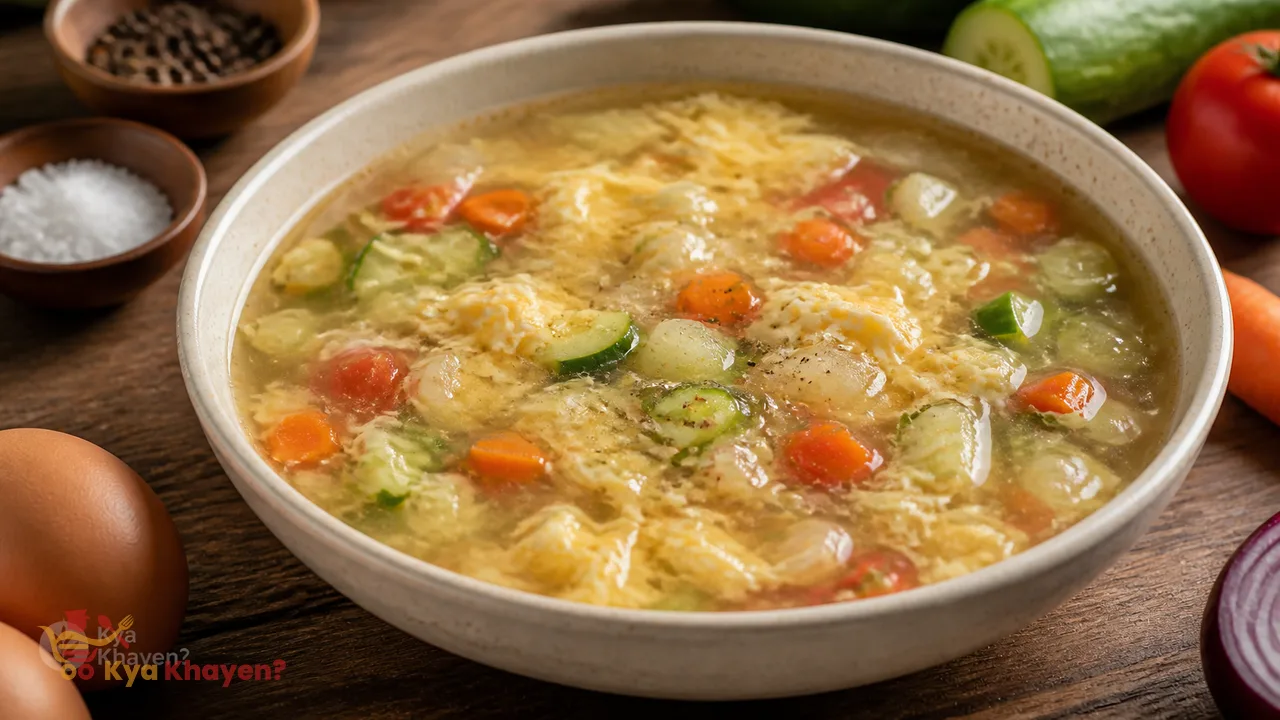
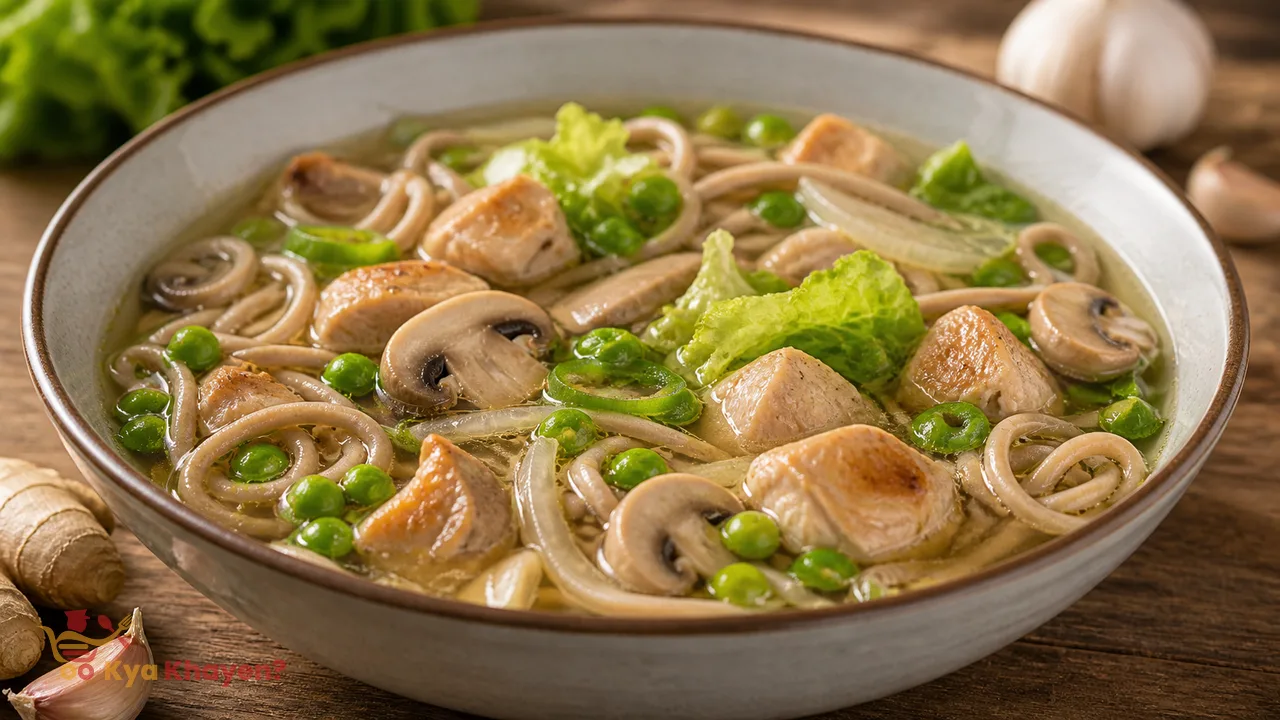
Continue exploring with Mixed Vegetable Soup, Buckwheat Poshtik Roti with Moong Dal, and Vegetable Khichdi. These recipes share useful flavours, meal occasions or cooking inspiration with this dish.
Cook with the ingredient list and method as your primary guide; tags on Kya Khayen help with discovery and everyday preference-based planning, not medical advice.
Cook smarter
Clove Ginger Tea works because ginger and cloves give the recipe its main flavour, texture and body instead of relying only on seasoning.
The method follows boiling, so the ingredients have a defined path from preparation to serving.
With a total flow of about 10 minutes, this recipe can fit into a veg meal without turning into a long kitchen project.
First boil 300 ml of water with cloves and ginger over low heat for 2-3 minutes.
Before starting Clove Ginger Tea, read the steps once and keep the measured ingredients nearby.
Cut or portion the main ingredients evenly so they cook or combine at the same pace.
Taste near the end before changing salt, spice, sweetness or sourness; small final adjustments are easier to control.
Serve soon after preparation so the fresh notes stay bright.
Starting before ingredients are ready can lead to overcooking one part while another part is still being chopped or measured.
Strong heat can make spices harsh, dry out the surface, or cook the outside before the centre is ready.
Add water, milk, stock or curd gradually when the method allows it, because texture is easier to loosen than to fix later.
Always taste Clove Ginger Tea once near the finish so the final seasoning feels balanced.
Serve Clove Ginger Tea as part of a simple west indian meal with one fresh side for contrast.
Add curd, chutney, salad or a light drink if the plate needs freshness.
If serving with other dishes, keep the accompaniments simpler so this recipe remains easy to enjoy.
Clove Ginger Tea is most useful when prepared close to serving time, because freshness, colour and texture can fade after resting.
If needed, keep it covered in the refrigerator for a short period and stir or toss once before serving.
Do not leave prepared portions uncovered at room temperature; fresh ingredients lose quality quickly.
Reduce chilli, pepper or strong spices and let the main ingredients stay more prominent.
Add a small squeeze of lemon, fresh herbs or a light garnish at the end when it suits the ingredient list.
For a fuller mouthfeel, finish with a small amount of ghee, butter, curd, cream or nut paste only if it matches the recipe style.
Use less oil or sweetener where possible and increase fresh sides instead of making the main dish watery or bland.
Clove Ginger Tea is best prepared close to serving time. If you need to plan ahead, keep the ingredients ready separately and assemble shortly before eating.
Control the liquid gradually and follow the cooking cues in the method. If the dish looks dry, add a small splash of liquid; if it looks watery, cook uncovered briefly.
Serve it with simple sides such as roti, rice, salad, curd, chutney, toast or a light drink depending on the meal and the recipe style.
Yes. Start with less chilli, pepper or strong spice, then adjust near the finish after tasting.
The most important ingredients are ginger and cloves. They shape the flavour and texture, so use fresh, good-quality portions where possible.
Yes, beginners can make it by reading the method first, preparing ingredients before heating the pan, and cooking with controlled heat.
Prep your counter
Tick items as you prepare your counter.
Cook with confidence
Know your plate
Estimated energy
For 1 serving, based on measured ingredients.
Protein
0.2 g
Fiber
0.6 g
Nutrient balance
Bars provide a simple visual reference against general daily values.
Calculated from measured ingredients for 1 serving.
About the recipe developer
I am Satendra Gangwar, the recipe developer behind Kya Khayen. I build recipes for real Indian kitchens with clear ingredients, practical timing and steps that home cooks can follow without confusion.
My aim is to help you decide what to cook today and make it with confidence, whether you are trying a simple everyday meal or improving a familiar family recipe.
Editor note
Every recipe is reviewed for ingredient clarity, method flow and everyday cooking practicality before it is published or updated.
Taste reaction
Tap once to react
Cooked by the community
Share how this recipe tasted after you tried it.
Rate the taste and tell others what worked for you.
Sign in to rate this recipe
Share your result after you have cooked it.
Be the first cook to share a rating for this recipe.
Cook together
Ask about substitutions or share a useful cooking tip.
Have a cooking question or a tip worth sharing?
Sign in to join the conversation
Ask questions, share tips and keep your replies in one account.
No kitchen questions yet. Start the conversation above.
Keep exploring